Hotel marketing budgets are under scrutiny. In an environment marked by modest global RevPAR projections plus rising labor costs, energy prices, and climbing guest acquisition costs, commercial teams are forced to defend every dollar. Yet many marketing teams still struggle to show clear, revenue‑linked ROI.
A key question persists for hoteliers: Are we making the most of our marketing budget?
The root problem? A lack of visibility into where marketing can actually influence demand, not just where gaps exist.
How Spotlight’s Potential to Influence scoring helps hotel marketing budget ROI
Despite marketing and revenue management each having a hand in influencing demand while sharing commercial success goals, their working relationship in practice has historically been shaped by siloed data, responses and disjointed execution.
These challenges persist even among teams that have a strong collaborative relationship. While m are told to ideally focus on “supporting need dates”, pre-planned broad campaigns still often push demand during dates that would either sell out without marketing support, or investments are made when the desired lift in demand never had a chance to materialize. Obviously neither are ideal for maximizing a limited budget.
The real question isn’t, “Where do we have a gap in demand?”—it’s “Where is there still demand that can actually be influenced by marketing?”
Shining a light for marketing with demand forecast data
IDeaS’ marketing optimization solution, offers a novel approach to providing that answer. By tapping into the advanced analytical forecasting engine guiding revenue management decisions, Spotlight can not only surface when upcoming need periods are coming—but also forecast-backed clarity into the likelihood of marketing efforts actually moving the needle.
This insight is surfaced through a proprietary new Potential to Influence. Your revenue system already knows where demand is likely, how price-sensitive it is, and how much timing runway you’ll have for execution. Spotlight converts that into a simple 5-point Potential to Influence score so marketers and revenue leaders can quickly gauge and collaboratively prioritize the high-value opportunities they can realistically influence.
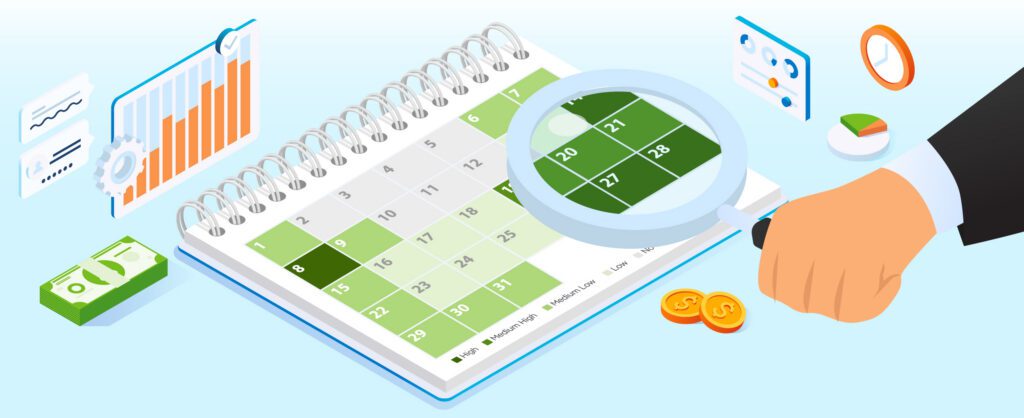
This score, ranging from “high” to “negligible” is updated daily for every day in the upcoming forecast window. For marketing teams, this can be viewed like a heat map where it’s clear which days should or should not be prioritized. In practice, this means marketing and revenue teams can quickly and confidently get on the same page.
In other words, Potential to Influence helps hotels understand which dates are worth investing in.
Smarter Hotel Marketing Starts Here: Potential to Influence in Action
Let’s explore a few common scenarios where these capabilities shine:
Saving marketing budget when it won’t move the needle
The scenario: A beachfront hotel is heading into peak summer season. Room bookings are on pace to be nearly sold-out months in advance and remaining guests are willing to pay full price for scarce inventory. This represents one of the most common sources of wasted hotel marketing budget—spending heavily on dates that would sell out anyway.
However, marketing still has a sizable portion of their yearly budget allocated for digital ads and tactics. Eager to capitalize on a critical season, leadership long championed the summer as a “hero campaign” period where they can’t afford to let competitors own the conversation. Despite some concerns about the approach from the marketing team, the tendency to treat marketing budgets as “use-it-or-lose it” combined with strategic inertia kept the status quo intact.
Now, with Spotlight showing most dates during this peak stretch with low or negligible Potential to Influence scores, marketing now has the data to make the case for shifting budget and tactics away from this approach to more impactful opportunities.
Maximizing marketing power to capture valuable shoulder season demand
The scenario: With the peak of winter season winding down, a mountain resort finds itself entering the murky stretch between ski season and summer. This period is historically hit-or-miss—some years shoulder season traffic looks solid, others it’s painfully slow.
This year, Spotlight identifies a real opportunity available to the resort. Fueled by families searching for short, cost-effective getaways, guests actively comparing deals and competitors softening prices, Potential to Influence scores across early Spring show as consistently High.
With a clear view of the opportunity dates, the marketing team launches targeted spring promotions without needing to guess or rely on assumptions from previous year performance.
Answering “Which segments?”, not just “Which dates?”
The scenario: A downtown is facing a familiar—yet challenging—puzzle. The overall demand forecast for an upcoming week looks average, but room-class performance is mixed. Group blocks are filling steadily, while transient demand lags.
In the past, marketing may have opted for a broad promotional campaign for the entire week. With Spotlight, the revenue management and marketing teams take a more nuanced approach by breaking the opportunity down by market segment.
Corporate and SMERF group business segments showed low or medium Potential to Influence scores. Corporate transient bookings lagged, but the forecast reveals price-sensitive business travelers actively searching for midweek stays. Additionally, leisure OTA shoppers were showing increased activity for weekend dates.
Precise, connected, powerful: A better way to maximize your hotel marketing budget
At IDeaS, advanced analytics and forecast data influence over 22 billion commercial decisions daily—and we’re just getting started. By tapping into this wealth of insights, hotel marketing teams can finally trade in “spray and pray” campaigns for precise, connected strategies.
If you’re ready to stop wasting budget, prove your impact, and finally align marketing with revenue strategy, let’s talk!